
How to Finally Get Over the Urge to Restart BG3
Rebecca is a scientist-turned-storyteller and professional ghostwriter who enjoys forgetting common English words and making up her own in their stead. She's probably stuck between two basically-the-same dialogue options in a Larian game as you read this (there's so much at stake, obviously!!!). Rebecca currently lives with two gigantic puppies, a toddler consistently LARPing as Lara Croft, and her Halo-playing husband in Detroit, MI. You can find her past work at Zelda Universe and Verily Magazine.
Finish the fight you already started
Nearly half of Baldur’s Gate 3 runs never make it past the game’s first act. That’s not to say half of the game’s players have never seen Act 2, necessarily: Steam’s data includes copies bought in a sale and never opened, and some mods disable achievement tracking, for example. But the data does tell us something. Per Steam, 89.1% of all players have cleared the Nautiloid tutorial, but only 50.2% have unlocked the achievement for leaving Act 1.
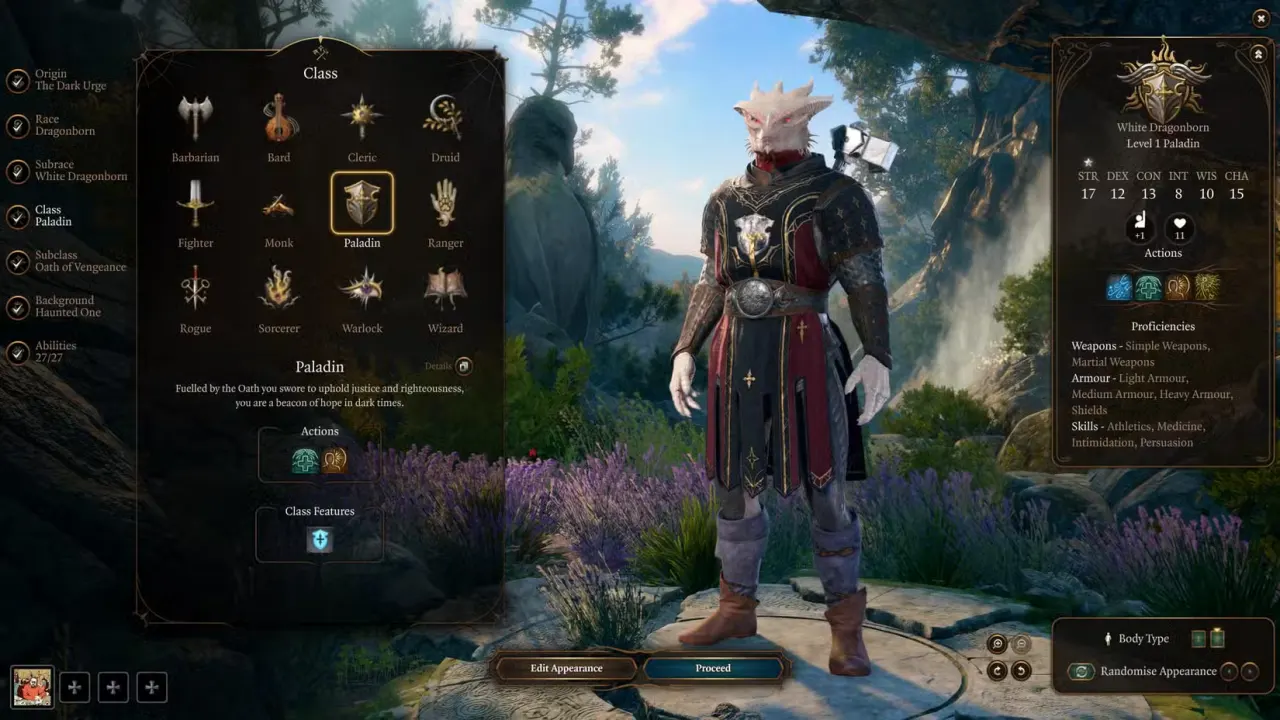
Ask why this is the case on the game’s subreddit and the community will instantly clue you in: “The game has only been out three years. Some of us don’t want to rush through character creation.” (Honestly, same.) Many of us do see starting Baldur’s Gate 3 over again as an extremely legitimate substitute for finishing the game in the first place…which likely tracks with anyone who’s ever fallen in love with a new character idea mid-run and abandoned a perfectly good save file in pursuit of shiny object syndrome.
But that’s not the only possible culprit. Others point to tonal whiplash. The game’s Act 1 is bright, adventurous, full-on high fantasy — all sunlit druid groves and goblin camp politics. Act 2’s Shadow-Cursed Lands snuff that out in moments, swapping the sunlight for a perpetual smothering night. Plenty of players may simply not find that tonal pivot intriguing. The learning curve that Dungeons & Dragons comes with might be another culprit. Fifth edition wasn’t really built with a video game’s pacing in mind. Newcomers unfamiliar with the ruleset can sink ten hours into a character who just doesn’t function as planned — say, whiffing a paladin’s only smite of the day, or watching a rogue built around stealth get spotted with one unlucky perception roll. Right around the Act 1 to Act 2 transition, the game’s difficulty requires some mastery of these dynamics…and they’re not necessarily easy to master.
And then, there’s the plainest explanation of all: Restart-itis. It’s not any pinpointable problem with the mechanics or a lack of interest in the game. It’s too much interest in every other way we could be playing it. Callum Marshall, writing for TechRadar, determined that his own fix for this problem involved stepping away from the game for a year, then ditching save-scumming upon his return and letting even bad rolls of the dice land. If you don’t want to take a similar break, or abiding by the dice feels too daunting, consider one of these strategies:
- Decide on your next build before you open the character creator. Write down your planned class, rough playstyle, and party somewhere you can physically reference. The game’s character creator is very good at making you fall in love with your many options right off the bat. Don’t let it!
- Allow one companion’s personal questline to be your reason to keep playing, instead of trying to see every arc in one run. If your build isn’t centered on Shadowheart, for example, you can breeze past most of the Gauntlet of Shar in Act 2. Give yourself explicit permission to skip content. This is your new mantra: You don’t need to 100% the game every time you replay it!!
- If you find that Act 1 feels stale on a replay specifically because you’ve been there several times, try a fresh run idea to shake up that experience: Download a mod. Attempt a speedrun. Do a Durge run, be evil, or try an artificial constraint like limiting your long rests to get yourself back into a strategy mindset.
- Expect Act 2’s tone shift before it happens. The Shadow-Cursed Lands are supposed to feel oppressive, and the game does get more difficult around then. Steel yourself, and take breaks as necessary to avoid boredom or burnout.
- Give yourself one concrete, visible checkpoint instead of a vague promise to "push through eventually." For example: No new character until this one hits level 5, clears the Goblin Camp, or crosses the bridge into Act 2, whichever comes first. A specific finish line is much easier to actually walk toward than "I just definitely won’t abandon this run…this time.”
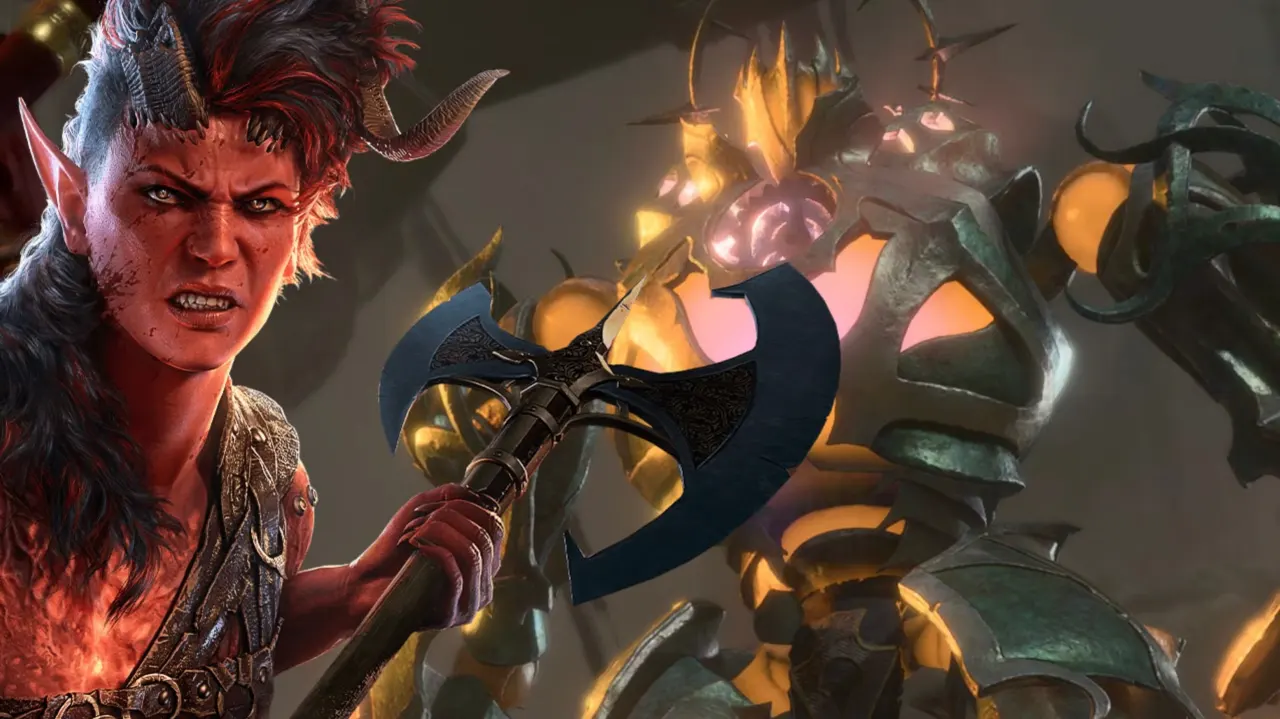
- Remember what you're rushing past. Karlach's entire fate hinges on choices that don't pay off until deep into the back half of the game. Wyll doesn't get his real reckoning until he's standing in front of his own father. Astarion's whole arc is arguably pointless without watching how it actually ends. Abandoning a run before Act 3 means abandoning the actual reason most of these companions exist in the first place.
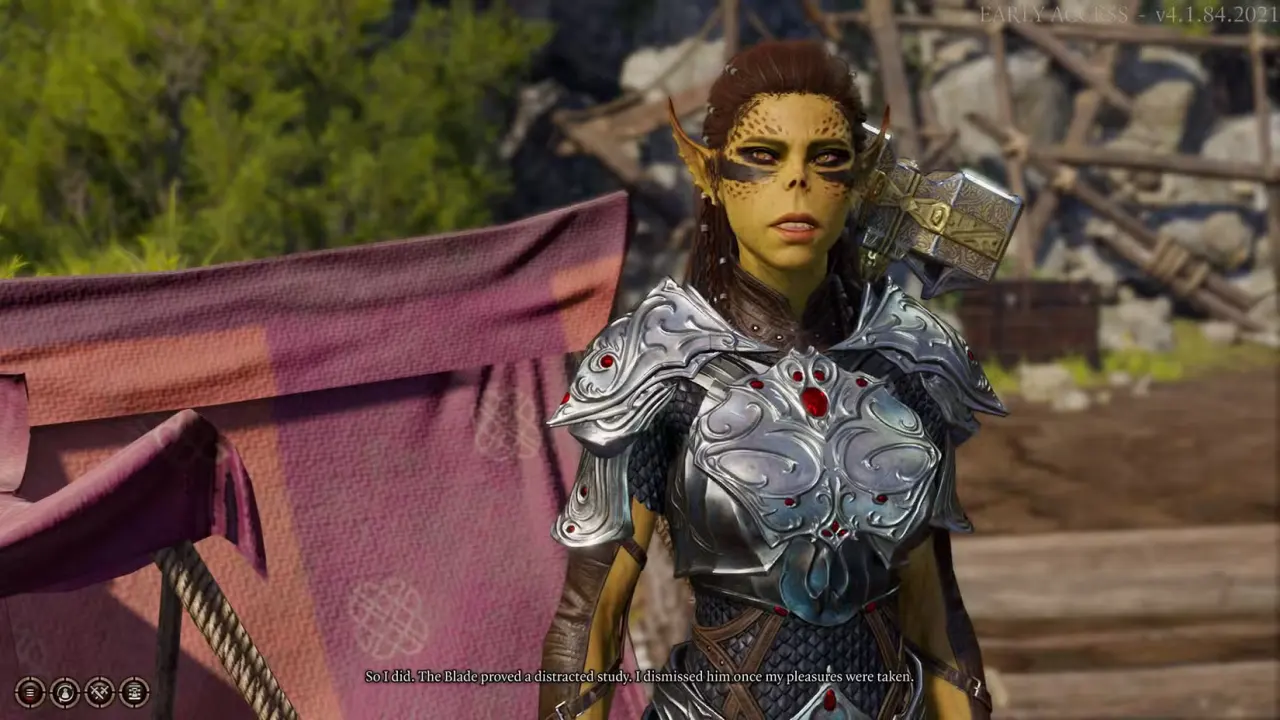
- And spare a thought for Lae'zel! She has spent your entire current run waiting for someone to help her finally confront Vlaakith and reclaim some shred of dignity for her people. Instead you're three hours into rolling a new character for the fourth time this month. She would be furious with you! Finish the fight you started, she’s (probably) begging you!!
Don’t worry. The character creator isn’t going anywhere. It’ll still be there for you if you do decide to abandon your current save file for another build. But what’s at stake here is everything that happens after most people, statistically, quit: Shadowheart’s actual reason for hiding a holy symbol, for instance…or whatever’s waiting for your current party underneath Moonrise Towers. Give the run you’re already in the one thing restart-itis never allows: A true ending, even a messy one, instead of one more perfect beginning.